Yellia: An Elegant Script Font for Web Design
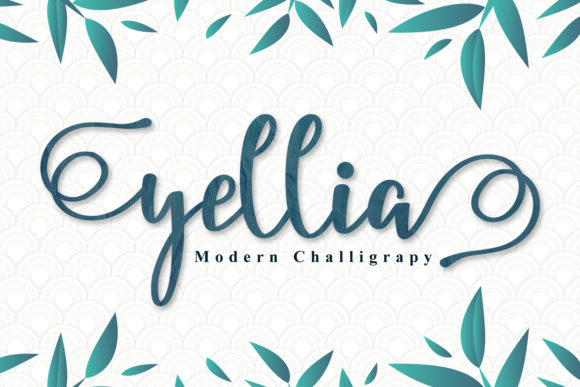
I was recently working on a landing page for a boutique floral studio, trying to strike that delicate balance between high-end editorial aesthetics and approachable warmth. The client wanted their brand to feel personal yet polished, and the existing typography felt too rigid. That is when I pulled Yellia into the design stack. As a stylish and incredibly elegant script font, it immediately changed the tone of the hero section. It did not just sit there as text; it acted as a visual anchor, drawing the eye with its fluid strokes and sophisticated charm.
For web designers and digital creators, finding a script typeface that retains its personality across different screen sizes is a constant challenge. Many decorative fonts lose their legibility on mobile devices or clash with clean UI elements. However, Yellia stands out in the crowded market of Fonts because it manages to be both expressive and controlled. It belongs to the Script Amp category, which suggests a focus on connectivity and flow, but what impressed me most was how well it integrated into a modern, responsive layout without feeling out of place or overly ornate.
Elevating Digital Brand Identity
In web design, typography is often the primary driver of brand identity. When I tested Yellia on a coaching website homepage, I used it strictly for the main headline and key pull quotes. The result was instant elevation. The font’s natural rhythm mimics high-quality handwriting, which adds a layer of human connection that standard sans serif fonts often lack. This is crucial for businesses that rely on trust and personal rapport, such as life coaches, wedding planners, or artisanal e-commerce stores.
Using Yellia for logo design within a website header can create a memorable focal point. I paired it with a lightweight, geometric sans serif for the navigation menu and body copy. This contrast is essential. If you use a decorative script for everything, the user experience suffers because the eye has nowhere to rest. By restricting Yellia to display roles—such as hero titles, section headers, or call-to-action accents—you maintain a clear visual hierarchy. The script becomes the "jewelry" of the page, adding sparkle without overwhelming the structure.
This approach also works beautifully for social media graphics that are embedded directly into blog posts or landing pages. Consistency across digital touchpoints reinforces brand recognition. When a visitor sees the same elegant script on your Instagram story highlights and your website banner, it creates a cohesive brand identity that feels professional and intentional.
Readability and Responsive Layouts
One of the biggest concerns when using a script font in web design is readability on smaller screens. During my testing, I resized the browser window to simulate various mobile devices. Yellia performed surprisingly well, provided I respected its limitations. Script fonts are not designed for body copy. I would never recommend using Yellia for paragraphs, form labels, or dense informational text. Its strength lies in short phrases, names, and titles.
For optimal performance on mobile, I found that increasing the line height and ensuring ample whitespace around the text helped significantly. On a product landing page, I used Yellia for the product name and a simple sans serif for the price and description. This separation allowed the script to shine as a decorative element while keeping the functional information easy to scan. If you are designing for accessibility, always ensure there is sufficient contrast between the text color and the background. Yellia looks stunning in white over a dark, moody image banner, but only if the weight of the strokes remains distinct against the complex background.
It is also important to consider loading times. While Yellia is a premium asset, ensuring you are using the correct file formats for web embedding is vital for performance. A heavy font file can slow down your site, affecting both user experience and SEO. Always check the included styles and weights to see if a subset or optimized webfont version is available for your specific project needs.
Perfect Pairings for Modern Typography
The versatility of Yellia shines when it is paired correctly. In editorial design and modern web layouts, the goal is often to create a conversation between typefaces. I experimented with several combinations and found that Yellia pairs exceptionally well with clean, neutral sans serif fonts. These provide a stable foundation that lets the script’s curves stand out without competing for attention.
- For a minimalist look: Pair Yellia with a thin, geometric sans serif. This works well for portfolio sites and modern boutiques where whitespace is a key design element.
- For an editorial feel: Combine it with a classic serif font for subheadings. This adds a touch of traditional sophistication, ideal for wedding invitation websites or luxury service providers.
- For bold impact: Use a strong, bold sans serif for primary buttons and keep Yellia for the emotional headlines. This creates a dynamic tension that guides the user’s eye through the page.
Avoid pairing Yellia with other handwritten or highly decorative fonts. This can create visual clutter and make the design feel chaotic. The beauty of this creative font is its elegance, which is best highlighted by simplicity in the surrounding elements. Whether you are designing a course sales page or a digital brand kit, keeping the supporting typography understated allows Yellia to do the heavy lifting in terms of emotional appeal.
Practical Considerations for Digital Products
Before implementing Yellia in client projects or digital templates, it is essential to review the licensing terms. As a commercial font, it offers great value for designers who create assets for sale, such as website themes, printable downloads, or branded templates. However, always verify if the license covers web embedding, app usage, or large-scale digital distribution. Understanding these boundaries protects both you and your clients from legal issues down the line.
Additionally, check for included features like alternates, ligatures, and swashes. These extra characters can add unique flair to specific words, making a logo or headline feel custom-tailored. For instance, using a swash on the capital letter of a brand name in the footer can add a subtle, sophisticated detail that elevates the entire design assets library. Multilingual support is another factor to consider if you are designing for a global audience, ensuring that the font renders correctly across different character sets.
Ultimately, Yellia is more than just a set of glyphs; it is a tool for storytelling. Whether you are crafting a heartfelt thank-you note on a digital card or designing a high-converting landing page, this font brings a level of grace and professionalism that resonates with users. It reminds us that even in the digital realm, there is room for artistry and human touch. By using Yellia strategically, you can transform a standard web layout into a memorable brand experience that feels both modern and timeless.