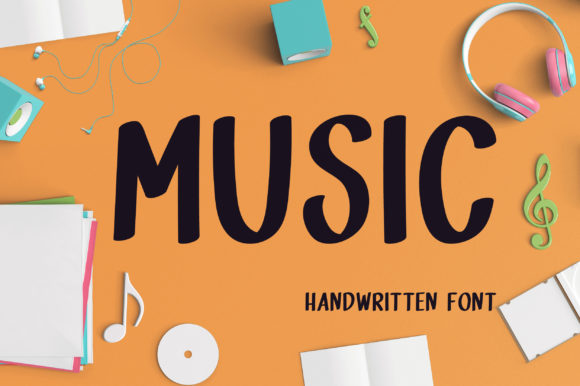
Music Font: A Handwritten Typeface for Branding
As a small business owner, you quickly learn that your brand is more than just a logo. It is the feeling customers get when they see your packaging, read your social media posts, or visit your website. In a crowded marketplace, consistency is key to building trust. This is where choosing the right typeface becomes a critical business decision. If you are looking for a way to inject personality into your brand identity without sacrificing professionalism, Music might be the solution you have been searching for.
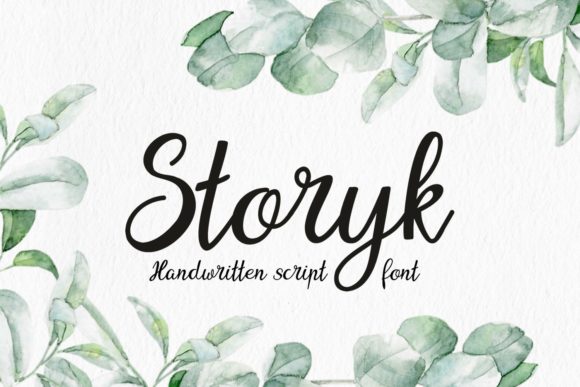
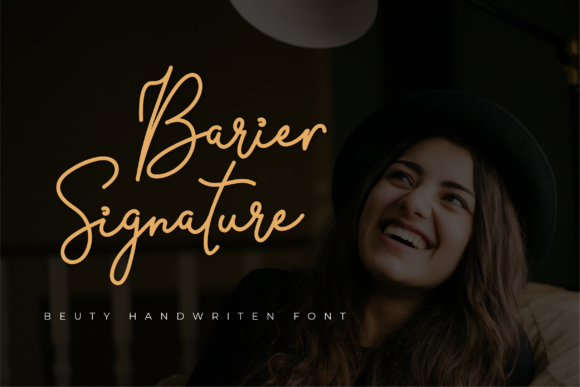
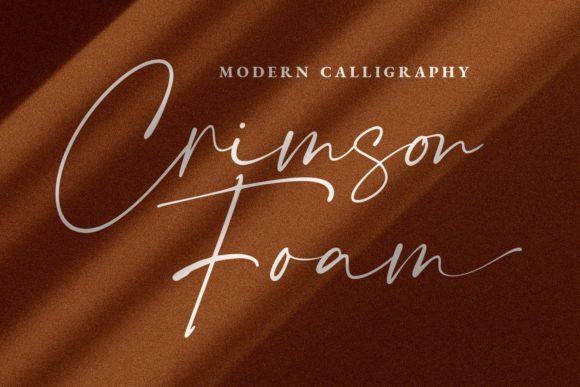
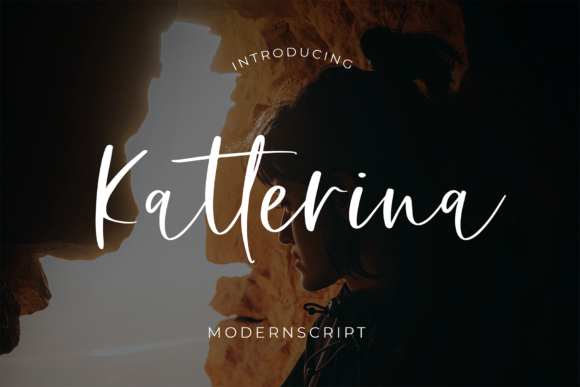
Music is a casual, fun handwritten font created using a brush pen. It strikes a delicate balance between clean lines and quirky character. Unlike stiff, corporate typefaces, this script font feels human and approachable. For entrepreneurs who want their business to feel personal and authentic, this creative font offers a visual voice that speaks directly to customers. It is not just about aesthetics; it is about creating a recognizable look that sets your products apart on the shelf and in the feed.
Why Personality Matters in Modern Typography
In the world of modern typography, businesses often struggle to stand out. Many startups default to safe, generic sans serif font choices because they are easy to read. While readability is important, it can sometimes lead to a bland visual presence. Music offers a refreshing alternative. As part of the Script Amp collection, it provides the warmth of hand-lettering with the reliability of a digital typeface.
When you use a premium font like Music, you signal to your audience that you care about the details. Whether you run a boutique coffee shop, a handmade jewelry store, or a life coaching practice, the mood of your text matters. This font conveys friendliness, creativity, and ease. It tells your customer that your brand is accessible and fun, which can be a powerful differentiator in industries that often feel too serious or sterile.
Real-World Applications for Your Business
The versatility of Music makes it a valuable asset across various touchpoints. Here is how you can practically apply this display font to elevate your business materials:
- Logo Design: Use Music as the primary element in your logo if your brand name is short and punchy. Its brush-stroke style creates an instant memory hook for customers.
- Packaging Design: For product labels, such as those on artisanal candles, organic skincare, or baked goods, this font adds a crafty, DIY appeal that resonates with buyers looking for authenticity.
- Social Media Graphics: Instagram posts and Pinterest pins thrive on visual appeal. Using Music for headlines or quotes can increase engagement by stopping the scroll with its unique character.
- Print Materials: From thank-you cards included in shipments to flyers for local events, this commercial font ensures your printed materials feel personal rather than mass-produced.
- Website Banners: Use it sparingly on your homepage hero section to welcome visitors with a warm, inviting tone.
Consider a bakery owner using Music for their cupcake box labels. The handwritten style suggests that each item is made with care, much like the lettering itself. Similarly, a freelance graphic designer might use it for their own business cards to showcase a playful yet professional aesthetic. The key is to match the font’s energy with your brand’s core values.
Readability and Strategic Usage
While Music is highly expressive, it is essential to use it strategically. As a script font, it works best as a headline, accent, or supporting typeface rather than for long blocks of text. Readability is crucial, especially on small mobile screens or tiny product stickers. If you try to use it for paragraph text on your website, users may struggle to read it, leading to a poor user experience.
For body text, always pair Music with a clean, highly readable font. A simple sans serif font works beautifully to ground the quirkiness of the brush script. Alternatively, a classic serif font can add a touch of elegance and tradition, creating a sophisticated contrast. This concept of font pairing is vital for maintaining a professional look. The decorative nature of Music should highlight key information, while your secondary font handles the heavy lifting of communication.
Before rolling out Music across all your design assets, test it in real-world scenarios. Print a sample label at actual size. View your social media template on a phone. Ensure that the quirks of the brush strokes do not interfere with legibility. If a letter looks ambiguous at a small scale, adjust the sizing or spacing. This practical testing phase saves time and money by preventing costly reprints or confusing customer interactions.
Building Trust Through Consistent Visuals
Consistency builds recognition. When customers see the same distinctive handwritten font on your Instagram stories, your website header, and your physical packaging, they begin to associate that style with your brand. This visual consistency fosters trust. It shows that you are organized and intentional about your presentation. Music helps achieve this by providing a stable, high-quality typeface that remains consistent across different mediums, unlike actual hand-lettering which can vary from day to day.
Moreover, using a dedicated commercial font ensures you have the legal rights to use the design for business purposes. Always verify the licensing terms before using Music on merchandise, client work, or digital downloads. Proper licensing protects your business from legal issues and supports the creators who develop these essential design assets. It is a small step that contributes to the long-term sustainability and professionalism of your enterprise.
In conclusion, Music is more than just a set of letters. It is a tool for storytelling. By integrating this creative font into your logo design, packaging design, and web design, you create a cohesive narrative that appeals to your target audience. It allows you to be professional without being boring, and fun without being chaotic. For the small business owner ready to refine their brand identity, exploring the potential of Music is a smart, practical move toward a more memorable and trustworthy brand presence.